Learn how to make this adorable origami cat designed by Richard Wang, it is not a simple model so i label it as intermediate. The dimension of paper is 12 x 8, which mean you must measure & cut a 12 cm x 8 cm paper.
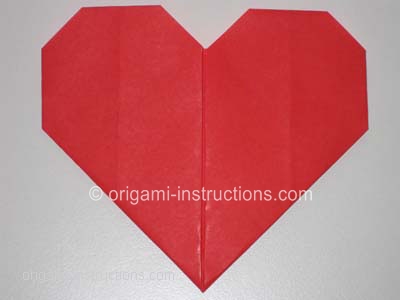
This easy origamiheart
is perfect for everything, a gift to your love one, paste in on a card or even a gift tag. It's very simple to make and perfect
for everyone. Make one or make 10 and give them to your lover!
The first an for most tools you definitely going to have to fold origami or any papercraft obviously is paper or paper like material. Almost any laminar (flat) material can be used for folding; the only requirement is that it should hold a crease.
Paper used for origami can range from the very simple and easily
available Printer Paper to the specially designed Origami Paper and here are some of it that mostly use in paper folding:
Origami paper, often referred to as "kami" (Japanese for paper), commonly sold in bookstore in small pack, usually squares of various sizes ranging from 2.5 cm (1 in) to 25 cm (10 in) or more. It is commonly colored on one side and white on the other; however, dual
coloured and patterned versions exist and can be used effectively for
color-changed models. Origami paper weighs slightly less than copy
paper, making it suitable for a wider range of models.
Normal copy paper with weights of 70–90 g/m2 can be used for simple folds, such as the crane and waterbomb.
Foil-backed paper is a sheet of thin foil glued to
a sheet of thin paper. Related to this is tissue foil, which is made by
gluing a thin piece of tissue paper to kitchen aluminium foil.
A second piece of tissue can be glued onto the reverse side to produce a
tissue/foil/tissue sandwich. Foil-backed paper is available
commercially, but not tissue foil; it must be handmade. Both types of
foil materials are suitable for complex models.
Washi
is the traditional origami paper used in Japan. Washi is generally
tougher than ordinary paper made from wood pulp, and is used in many
traditional arts. Washi is commonly made using fibres from the bark of
the gampi tree, the mitsumata shrub or the paper mulberry but can also be made using bamboo, hemp, rice, and wheat.
Paper money from various countries is also popular to create origami
with; this is known variously as Dollar Origami, Orikane, and Money
Origami.
However origami as an art which use a lot of paper and does not deem it to be environment
friendly. Keeping in mind the importance of trees for our environment, try to minimize the wastage of paper and make sincere efforts to fold
the designs of Origami with previously USED PAPER, unless you are doing
it for a professional purpose.
Please share this and save our environment.
Happy folding.
izw
info source: wikipedia & learnorigami.blogspot.com
Paper can be folded into various type of objects and mostly folded into a small animals figurine, flowers and insects
For a beginner, it is advisable that we start with simple model, yesterday we start with a simple animal origami which is crane or bird as some people refer it. It is a fun model where we can hang it as mobile, paste it on the wall and make a card out of it.
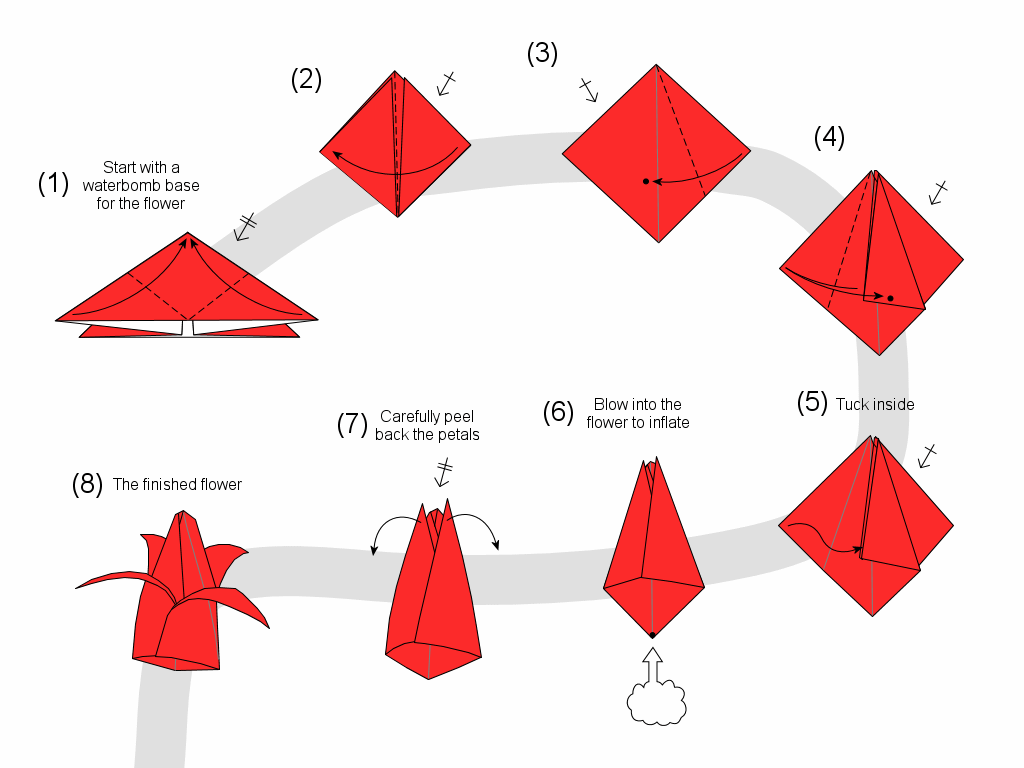
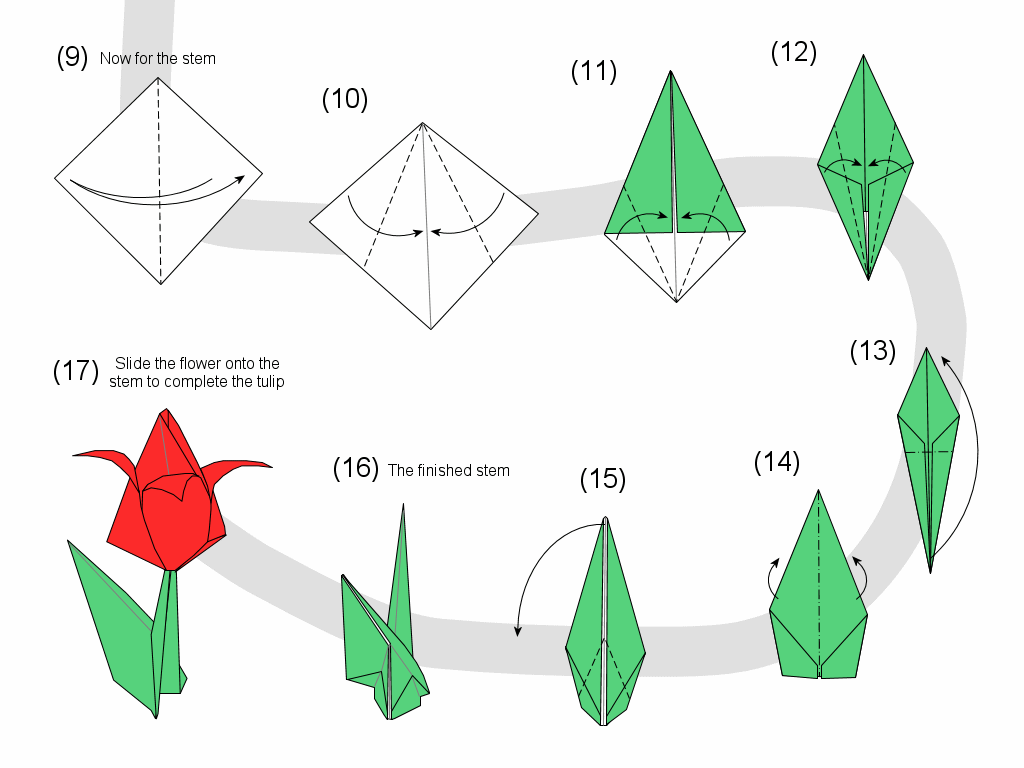
Today we will teach you on how to fold a simple but an elegance flower, Tulip. Tulips is a spring-blooming perennials flowers that grow from bulbs. Tulips are often associated with the Netherlands, they thrive in climates with long, cool springs and dry summers.
Although perennials, tulip bulbs are often imported to warm-winter areas
of the world from cold-winter areas, and are planted in the fall to be
treated as annuals.
It is a colourful flower and you can fold it in bright colour such as red, purple, pink and using pattern paper or just a plain white paper. You can fold as many as you can fold and put it on an origami stem or skewer, make a bouquet of flower as a gift to someone and as a decoration on a gift. Here is a video on how to fold a tulip and the stem.